

Perfecting your Rx isn’t easy,
hopefully some of our tips can make your management program more manageable.
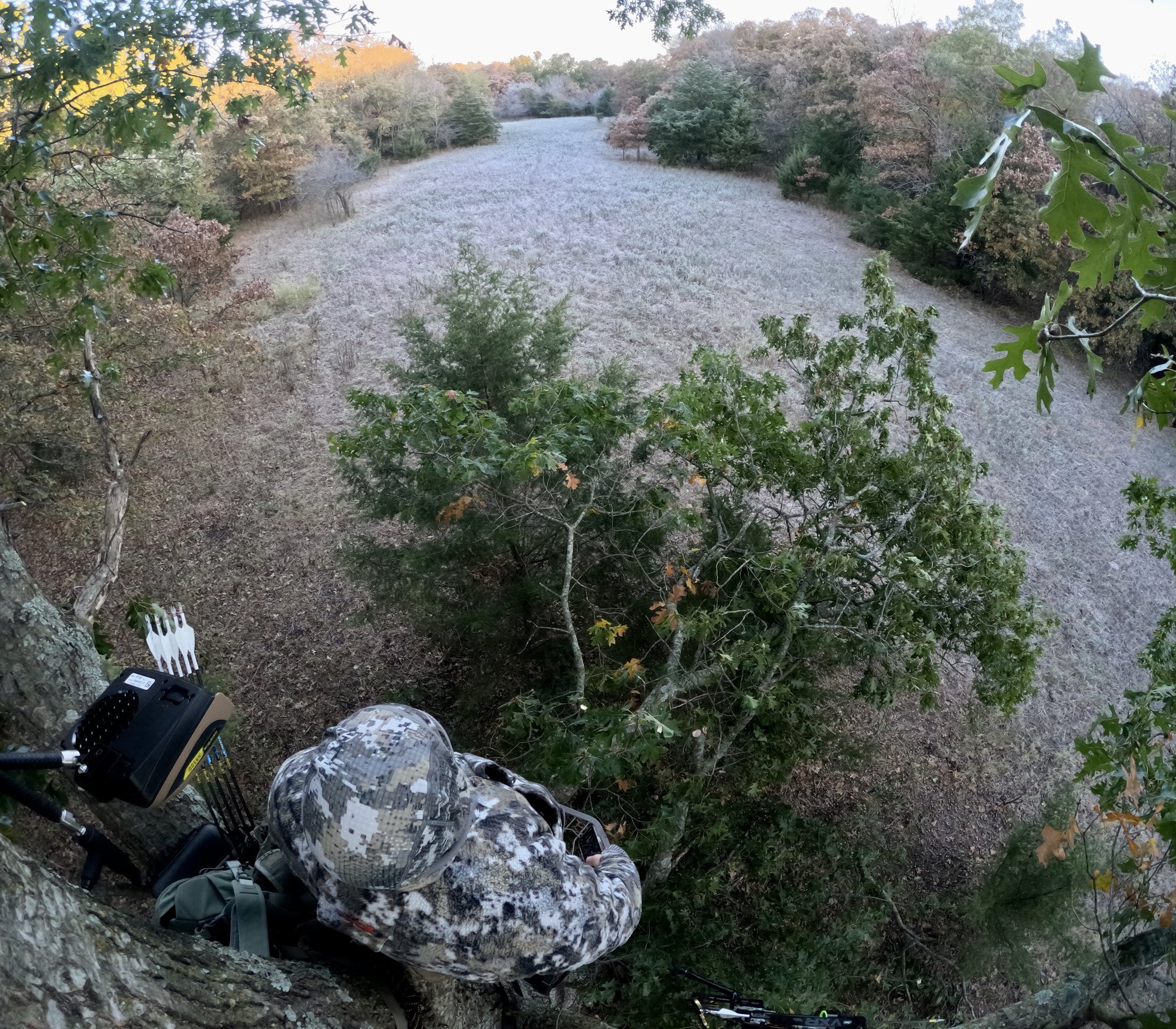
The First Sit Effect
What hunting pressure does to a mature buck before you ever see him, and why the first weeks of season should change how you hunt.
You can spend all year building better habitat. The question is whether your hunting lets a mature buck use it in daylight.
Every year, the story repeats itself. You spend July and August watching a mature buck on camera. His movements are predictable. Maybe he's showing up at a food plot, feeder or water source with enough daylight left that you start planning the hunt weeks before the season opens.
Then October arrives, and the daylight pictures are gone.
The common explanation is that he went nocturnal. Maybe somebody bumped him. Maybe a cold front hasn't arrived yet. Maybe he moved to another property.
Sometimes that's right. But GPS research suggests deer can learn where and when hunting risk exists, and adjust.
For a mature buck, disappearing doesn't require leaving your property. Sometimes he just has to stop using the places where you can kill him during the hours when you can kill him.
That should change the way we think about the first few weeks of deer season.
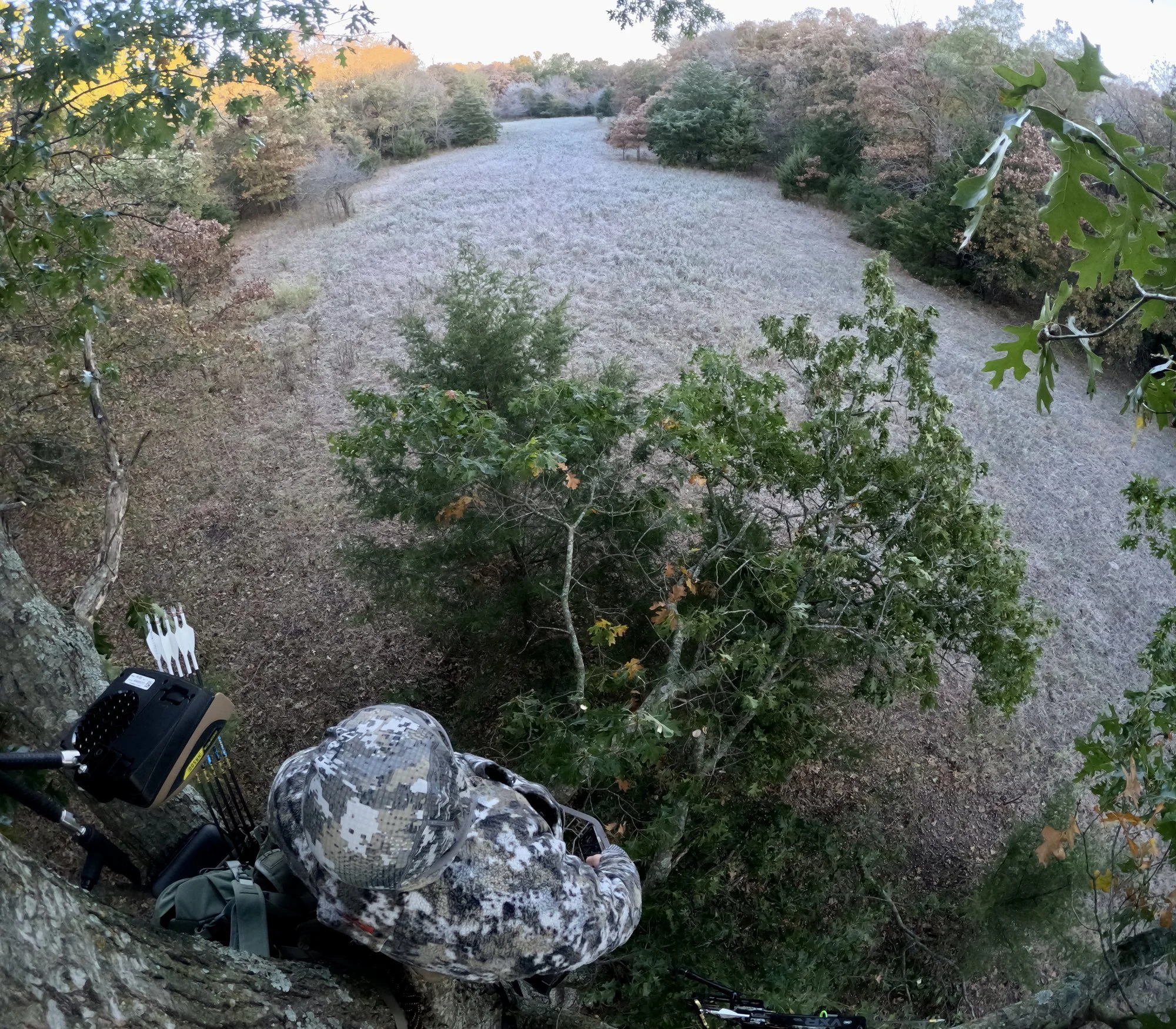
The property didn't change. The risk did.
Before season, most properties are fairly predictable. Deer have food, cover and water, travel routes between them, and cameras that slowly show us the pattern.
Then hunters enter the equation. We walk through gates. We drive UTVs farther in. We trim shooting lanes, check cameras, hang stands, cross food plots and leave scent along access trails. And eventually we start hunting.
From our perspective, the habitat hasn't changed. From the deer's perspective, risk has entered the landscape.
Researchers at Mississippi State University put GPS collars on 42 adult bucks during two firearm seasons and compared the places hunters selected with the places bucks selected. The landscape features hunters selected most were the ones bucks selected least during daylight. Deer selected some food plots as much as five times more often at night, when there was no hunting risk, than during the day, when there was.
The food plot was still there, and the buck hadn't necessarily left. What changed was when he was willing to use it.
Deer can learn where you're dangerous
One of the most interesting studies on hunting pressure is titled "Recognizing the Danger Zone." Researchers fitted 38 female whitetails with GPS collars and looked at how they responded to hunting around individual stands.
After a stand was hunted, the does used the area around it less in the middle of the day and more at night over the following days. Their use at dawn and dusk didn't change, and the response was centered on the spots where hunting had happened. The study followed does, not bucks, but it shows how precisely deer can map risk.
We talk about pressure as if a property either has it or doesn't. Reality is more complicated. A 500-acre property can hold areas deer see very differently. A stand that gets hunted over and over can carry a very different risk than a travel corridor 300 yards away that rarely sees a person.
That means one of the most important things we can give mature deer isn't something we plant, pour into a feeder or build. It's security.
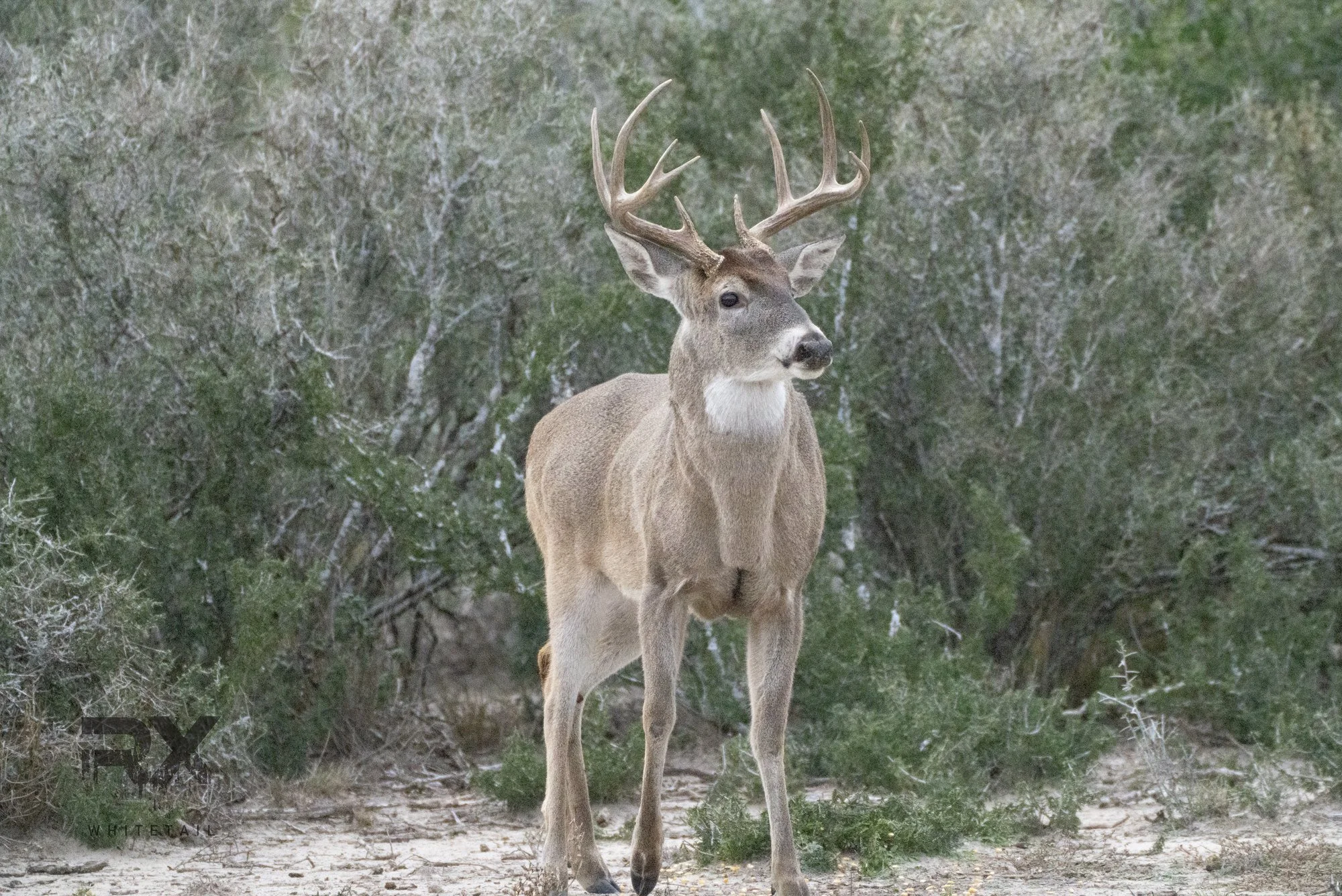
Your first sit matters
This brings us to something hunters have talked about forever: the first sit.
Most hunters have a stand where the first hunt feels like the best chance. There's logic to that, but it isn't a scientific rule. The GPS studies don't prove your first sit is always your best sit.
What they do show is that deer respond to hunting risk and change how they use specific areas. Before you've hunted a spot, the deer haven't experienced your pressure there. After repeated intrusion, you may start changing the very pattern you're trying to hunt.
That doesn't mean don't hunt. It means be intentional about when a spot is worth exposing.
If a mature buck has been using a food source at 6:45 p.m. for three weeks and the wind is wrong on opening day, I'm much more interested in protecting that pattern than hunting just because the calendar says I can.
There's a difference between hunting aggressively and hunting impatiently.
Access may matter as much as the stand
We spend a lot of time deciding where to hang a stand, and not enough on how we'll get there.
Think about a perfect evening food-plot setup. You come in on the same road the deer use. You walk the edge of the plot. You pass close to bedding cover. You sit for four hours. Then dark comes and deer are in the field while you're still in the tree, and now you have to get out.
The stand may have been perfect. The hunt wasn't.
That's why we treat access as part of habitat management. Food, water and bedding decide where deer want to live. Access decides whether we can hunt those places without announcing ourselves. The goal isn't just to reach the stand unseen. It's to get in and back out while disturbing as little of the property as possible.
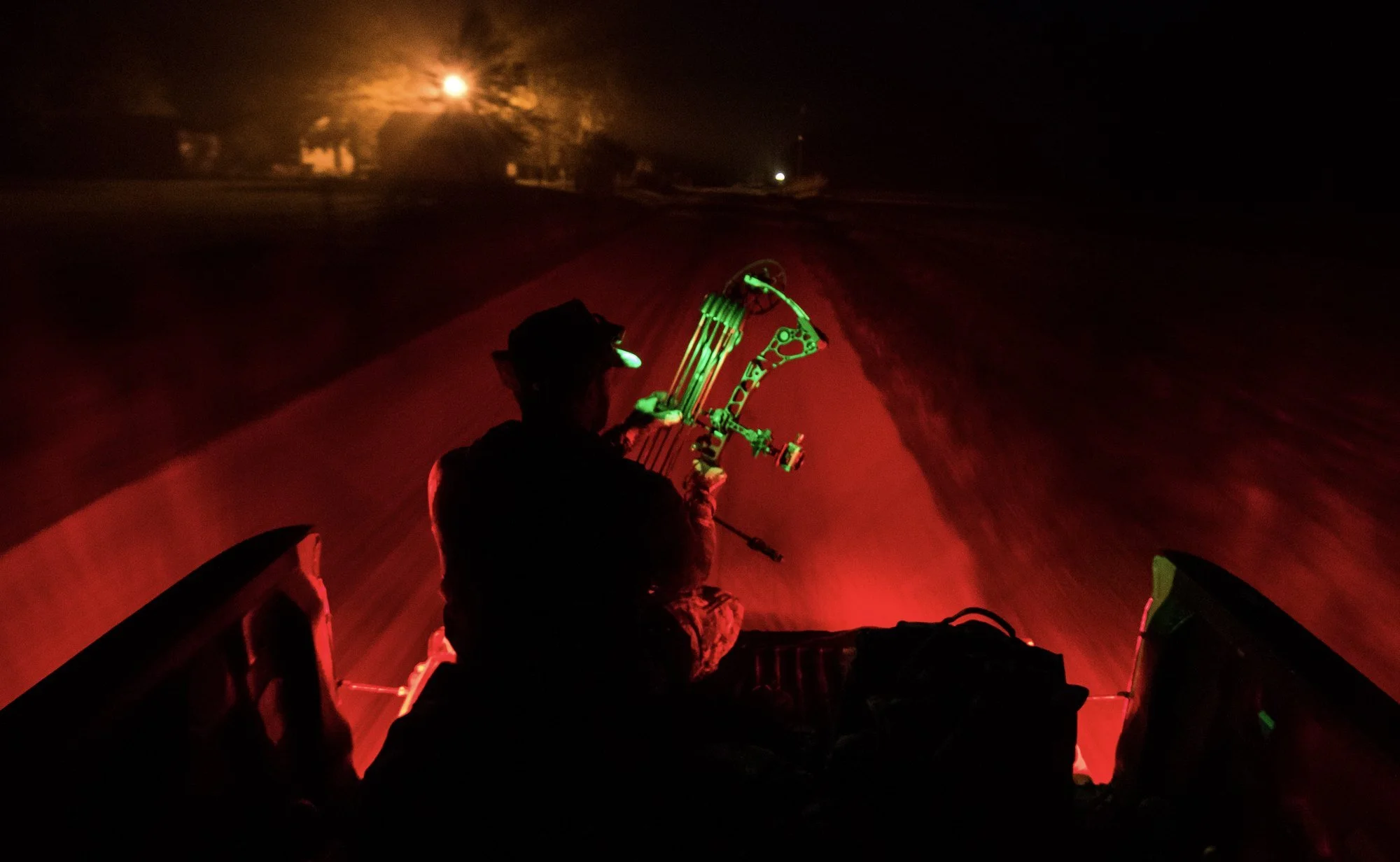
Getting out after dark is part of the hunt, too.
Stop turning your best food into a nighttime restaurant
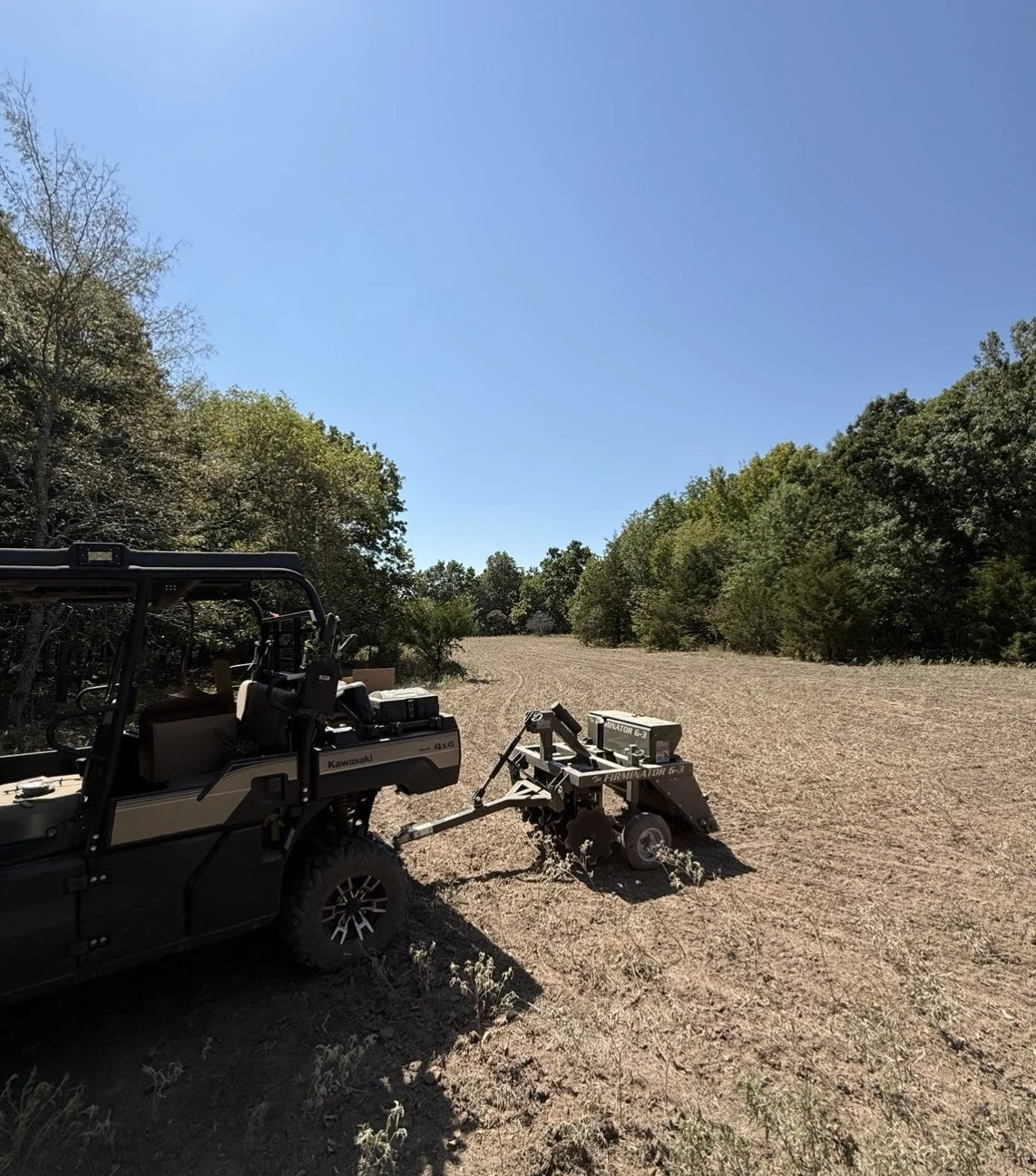
Food plots are the perfect example. We spend months on them. Then season arrives and we drive past them, check cameras beside them and hunt over them three evenings a week. Then we complain that mature bucks only use them after dark.
The Mississippi research should make every land manager think about this. Bucks didn't stop valuing food plots. Their use of some plots shifted hard toward nighttime when hunting risk was present.
If we're managing for mature deer, the goal isn't just attractive food. It's food deer feel comfortable using in daylight. Sometimes that means hunting 100 yards off the plot instead of over it. Sometimes it means protecting the plot until conditions are right, adding screening cover along access routes, or simply staying home.
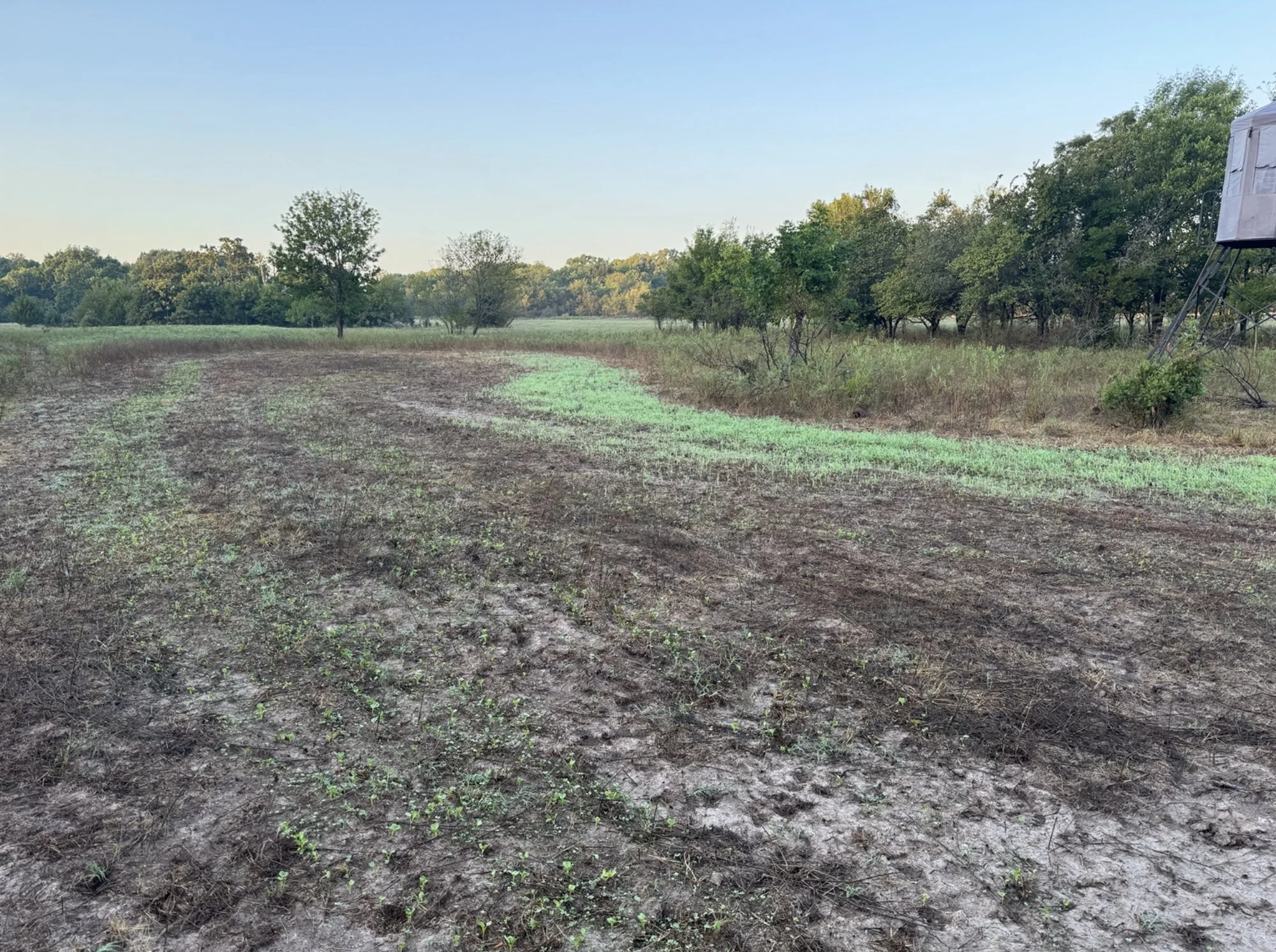
Attractive food isn't enough. It has to be food deer will use in daylight.
Don't blame everything on the weather
This one matters in Oklahoma because some good GPS research was done here. Researchers tracked 17 does and 15 bucks in southern Oklahoma over seven years and compared their movement with temperature, wind, barometric pressure, rain and other Oklahoma Mesonet data.
The deer moved mostly around dawn and dusk. Moon phase had no effect on daily, daytime or nighttime movement, and short-term weather had inconsistent effects. The researchers concluded that short-term weather had relatively little influence on movement in this southern herd compared with the deer's built-in dawn-and-dusk rhythm.
Weather still matters; anyone who's sat through the first big October cold front knows the woods feel different. But don't blame every missing buck on temperature, the moon or the barometer.
Sometimes the variable we should be studying isn't the weather. It's us.
Build places you don't hunt
This may be the hardest part. We improve habitat so deer will use it, then we want to hunt all of it. Those goals can work against each other.
On our properties, we want areas that work as real sanctuaries. That means more than calling something a sanctuary on a map. If we're constantly checking cameras, filling feeders, trimming trails and walking through it, it isn't much of one.
A true security area gives a mature buck somewhere he can consistently avoid people. Then we design hunting locations around his movement between those areas and food, water or other resources. Instead of trying to get closer to where he beds, we set up so he comes to us.
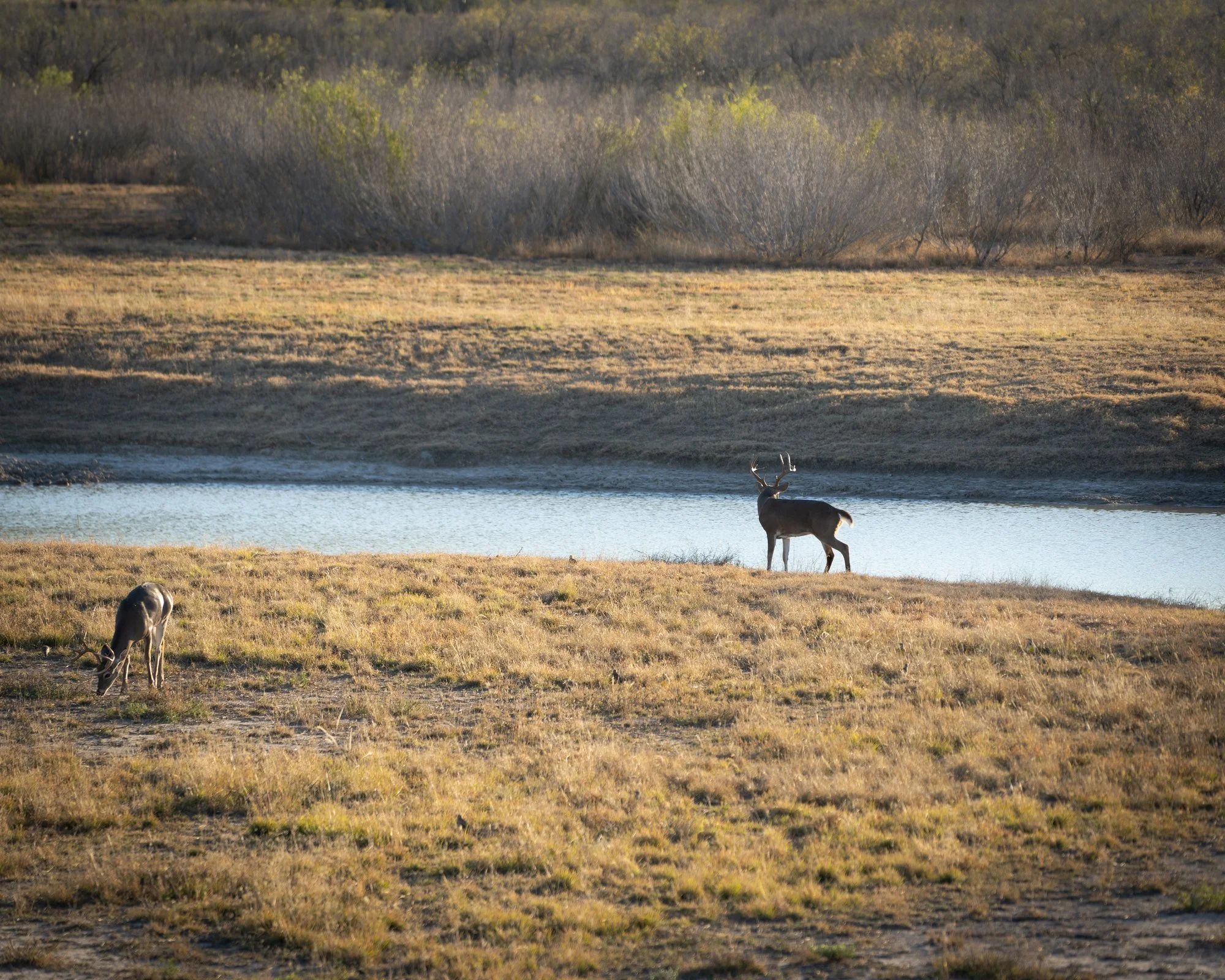
The Whitetail RX prescription
Going into opening week, our strategy is simple.
Protect daylight patterns. If a mature buck is moving during shooting light, don't sacrifice that pattern because you're anxious to hunt.
Treat access like part of the hunt. Know your way in and out before you decide where to sit. A great stand with terrible access isn't a great stand.
Keep destination food low-pressure. Food plots, feeders and water are useful tools, but repeated hunting can change when deer use them.
Create real security cover. Give deer parts of the property where you keep people out on purpose.
Use cameras to measure the response. Don't just count pictures. Watch the times. A shift from 6:30 p.m. to 10:30 p.m. tells you more than the total count.
Make your best sits count. The goal isn't to hunt as many days as possible. It's to be in the right spot when conditions, deer movement and access all line up.
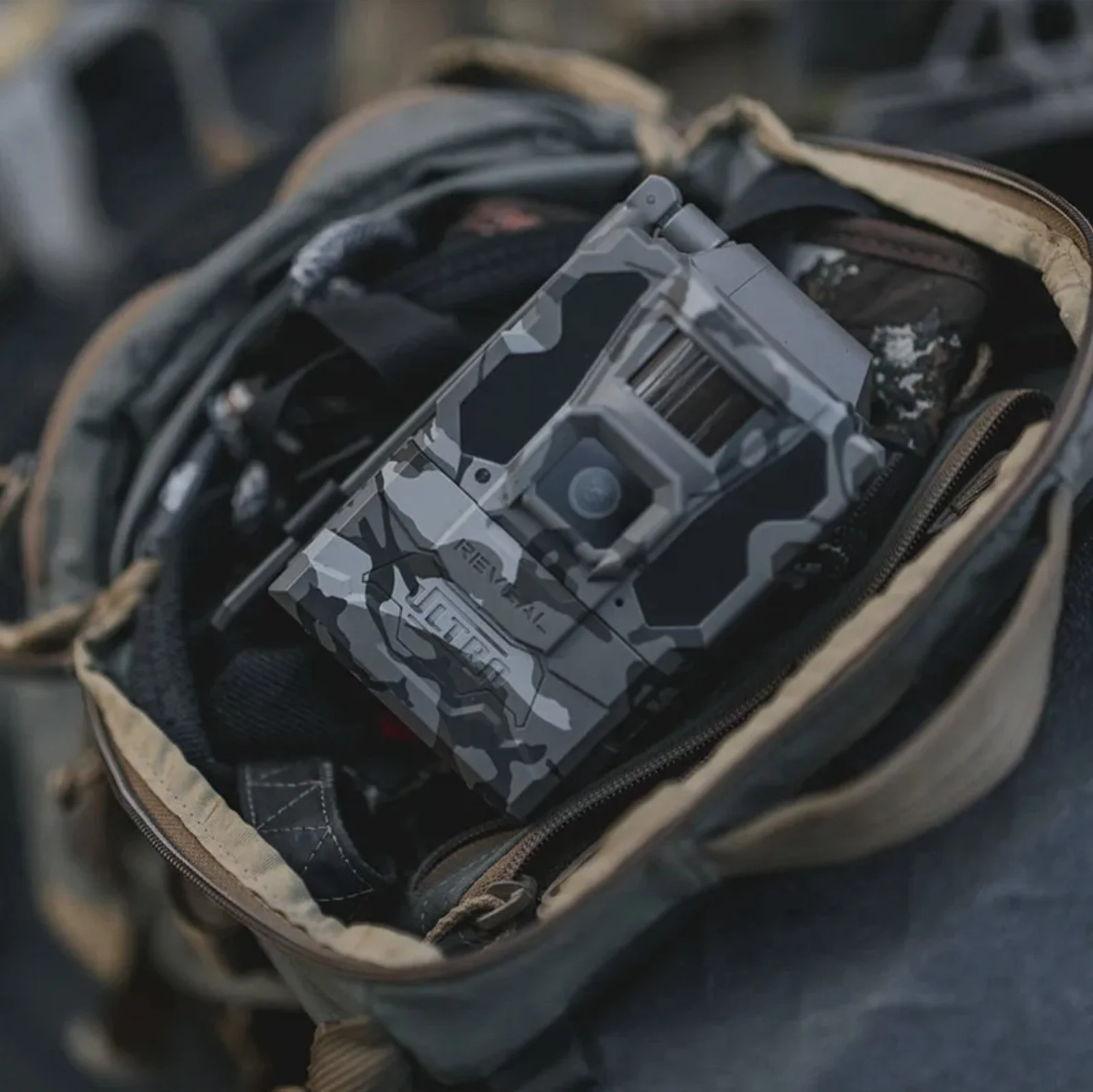
Watch the times, not just the count.
Manage pressure like you manage habitat
We spend all year making our properties better. Then season arrives, and it's easy to undo that work by becoming the most disruptive thing on the place.
The research doesn't tell us to stop hunting. It tells us something more useful: deer are paying attention. They respond to where risk happens. They change when they use important resources. And they don't have to leave your property to get much harder to kill.
So this October, don't just manage your food, your water and your habitat. Manage your presence. You can spend all year building a place a mature buck wants to live. The last piece is hunting it in a way that still gives him a reason to move there before dark.
Your turn
Have you watched a buck's photos slide from evening to midnight once season opened? Tell us what changed on your place.
Do you keep a true sanctuary on your ground? How big, and how often do you go in?
Gear in this story
Tactacam Reveal cellular camera. Watch 6:30 turn into 10:30 from the house, without walking in to pull a card.
Novix hang-on stand and climbing sticks. Light and quiet, so you can set up 100 yards off the plot on the right wind instead of sitting over it every time.
Before you go
If you take a deer this season, log it in the Harvest Registry on the free Score & Age Tool. Your season summary arrives January 20 (scores and ages are estimates, not official Boone & Crockett or Cy Curtis scores). And join the free Hunt Club to get the next Field Notes story in your inbox.
Sources
Henderson, C.B., Demarais, S., Strickland, B.K., McKinley, W.T. & Street, G.M. Temporal effects of relative hunter activity on adult male white-tailed deer habitat use. Wildlife Research 51, WR22145. https://doi.org/10.1071/WR22145
Sullivan, J.D., Ditchkoff, S.S., Collier, B.A., Ruth, C.R. & Raglin, J.B. Recognizing the danger zone: response of female white-tailed deer to discrete hunting events. Wildlife Biology, 2018. https://doi.org/10.2981/wlb.00455
Webb, S.L., Gee, K.L., Strickland, B.K., Demarais, S. & DeYoung, R.W. Measuring fine-scale white-tailed deer movements and environmental influences using GPS collars. International Journal of Ecology, 2010. https://doi.org/10.1155/2010/459610