
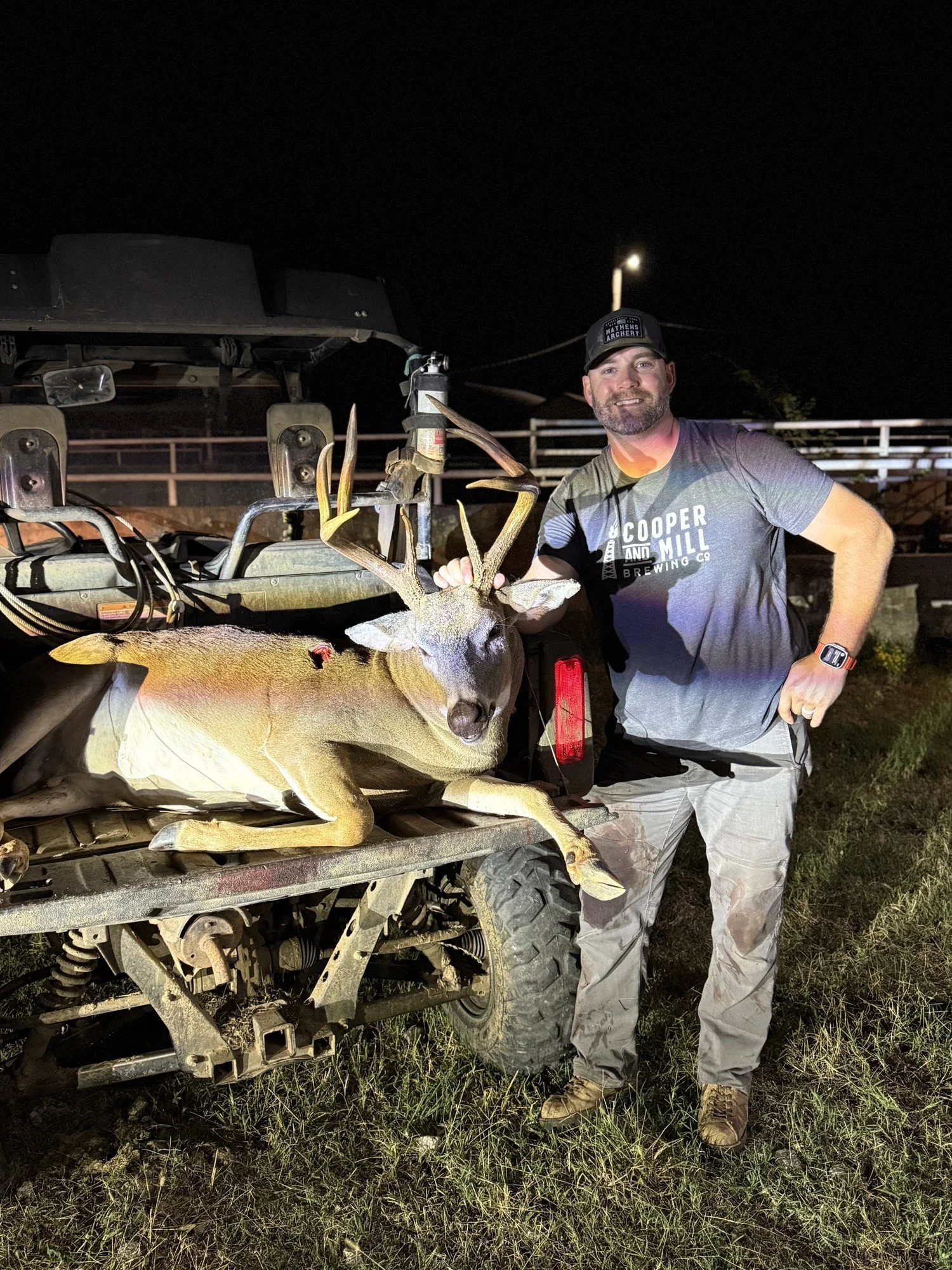
Every fall it happens to somebody in camp. A buck steps out at forty yards in good light, nose to the air, grunting and chasing does. It’s the perfect moment we’ve been dreaming of all off-season. The rack looks big, the heart starts pounding, and the shot goes off before anyone asks the only question that matters on our ground: how old is he?
Then you walk up, and the deer gets younger with every step. The dreaded “ground shrinkage.” Thin neck, long legs, a belly tucked up like a greyhound. Nice buck. But a few years too early.
The next five weeks are when that happens most. Oklahoma biologists put peak breeding in the central part of the state around mid-November, muzzleloader season runs through Sunday, November 1, and gun season opens Saturday, November 21. Bucks that hid all October will be on their feet in daylight, and a lot of them will be young. So this is the week to practice the one skill that decides what kind of deer you'll be hunting in three years.
Why we age, and why the rack is the worst clue
On our ground the goal is bucks 5.5 years and older. That isn't about inches. A mature buck has done his breeding, carries the most meat he'll ever carry, and is the hardest deer in the woods to kill. Letting the young ones walk is how you end up with more of those.
The trouble is that antlers lie. A rack depends on genetics, groceries and rain as much as on age. In a wet year with good native browse, a 3.5-year-old on Oklahoma dirt can carry a rack that looks like a five-year-old's. In a dry summer, a 5.5 can grow a rack you'd pass at a glance. If you judge by antlers, you'll shoot the young buck with good genes and pass the old one that had a hard summer.
The body doesn't lie nearly as much. A buck's frame and muscle change on a schedule, year by year, and that's what we look at first.
Read the body, age class by age class
This is how we read bucks on Oklahoma ground. Every deer is a little different, so look for several clues together, not one.
1.5 years: a doe with antlers. Legs look too long for the body. Thin neck, slim chest, waist tucked up tight behind the ribs. The face looks short and young.
2.5 years: a teenager. The legs still look long. The chest is starting to fill out, but the hindquarters are still as big as the front end. The neck swells a little in the rut, but there's still a clear line where it meets the shoulders.
3.5 years: a racehorse with a heavy front. The chest now looks deeper than the hindquarters. The neck gets thick in November and starts to blend into the shoulders. The belly is mostly level, with just a hint of a tuck. This is the age class that gets shot the most by mistake, because in the rut he looks like a grown man.
4.5 years: a linebacker. The legs look short because the body has caught up to them. The neck runs into the shoulders with no line between. The belly is flat or starting to hang, and the back is still straight.
5.5 and older: an old bull. Potbelly, a back that sags a little, loose skin, a heavy brisket that hangs low. He may look shorter-legged than a 4.5 because everything has settled. Older bucks often look tired more than impressive.
If you take one thing from this list, take the legs. When a buck's legs look long, he's young. When they look short, he's had time to grow into them.
The rut makes this harder
November is when the body clues get muddy. A 3.5 in full rut can have a neck as big as a 4.5's. Bucks lose a lot of weight chasing does, so by early December an old buck can look leaner than you expect, and a young buck can look gaunt and leggy.
A few things help:
Look at the hocks. The tarsal glands stain dark in the rut on any buck, but on older deer the stain often runs well down the leg. A young buck's are usually lighter.
Watch how he acts. Young bucks walk into the open, chase anything and look around at nothing. Old bucks stop short of the edge, scent-check from cover and move like they've got somewhere to be.
Get more than one look. One angle can fool you. Broadside tells you about the legs and belly. Facing you shows the chest and neck. If you only get one look, be sure to know the deer from your cameras before making a decision.
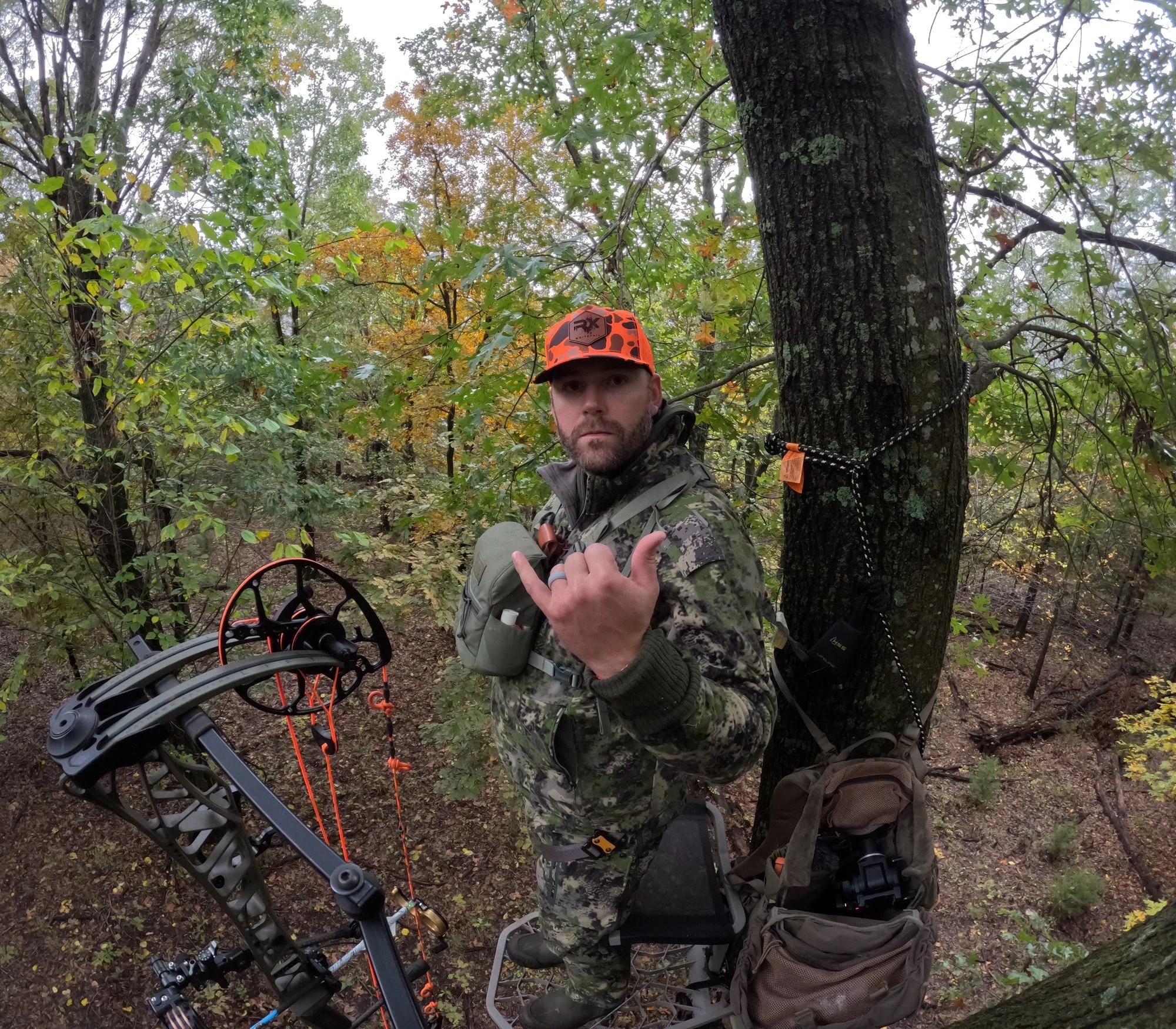
Most of the aging happens before he ever gets close.
Do your homework from the couch
The best time to age a buck isn't when he's standing at thirty yards. It's the week before, on your phone.
A cellular camera sends you dozens of looks at the same deer: broadside, quartering, walking, standing at the feeder in daylight. Better yet, video. That's where you make your call, with time to think and no shaking hands.
Give every mature buck a name. "Split brow" or "the tall eight." It keeps you from mixing up two deer.
Age each one from his best broadside daylight photo or clip. Legs, belly, chest, neck, in that order. Write the age down.
Sort them into shooters and walkers before you hunt. On our ground, a shooter is 5.5 or older. Everything else walks this year. Choose what’s right for your situation, then stick with it year after year.
Ask a second opinion. Send the clip to your hunting buddy without your guess and see what he says. Management is a team effort.
Then in the stand, you're not aging a strange deer under pressure. You're recognizing a deer you already know.
The stand rule: if you have to talk yourself into it, he walks
When a buck steps out and you didn't know him from the camera, give yourself a short checklist:
Legs: long or short for the body?
Belly: tucked, level or hanging?
Neck and chest: a clear line at the shoulders, or one solid piece?
Gut call: does he look old, or does he look big?
If two of those say young, let him go. If you catch yourself building an argument for why he might be old enough, that's your answer. A buck you passed this year is a better buck next year. A buck you shot too young is just a buck you shot.
What this week looks like in Oklahoma
Through Sunday, November 1: muzzleloader season. Muzzleloader hunters wear orange, and so do bowhunters in the woods that week.
Early to mid-November: bucks searching and chasing. More daylight movement, more young bucks out in the open, more chances to practice your aging.
Saturday, November 21, through Sunday, December 6: gun season. Longer shots, less time to look. Your homework from the couch matters most here.
All season: six deer combined, no more than two antlered. Check every deer within 24 hours on the Go Outdoors Oklahoma app.
Read the regulations yourself before you go, since limits and antlerless rules vary by season and zone.
After the shot: check the jaw
On-the-hoof aging is an educated guess. The jawbone is how you check your work.
Before you walk up to your deer, write down your field call. Then, once he's on the ground, look at his teeth. Tooth replacement tells you a yearling from an older deer for sure. Tooth wear gives you an estimate for the older ones, and it gets less precise the older the deer gets.
You can do that in the free WRX365 Score & Age tool at whitetailrxtools.com. Photograph the jaw, follow the steps, and it records an age estimate with your score. Taxidermists always have to pull the jaw when they cape the deer. Ask yours to send you photos or keep it for you to pick up. If a biologist already aged him, choose "Aged already?" and enter it. Then compare it to the guess you wrote down. Do that every time and your on-the-hoof calls will get better every season.
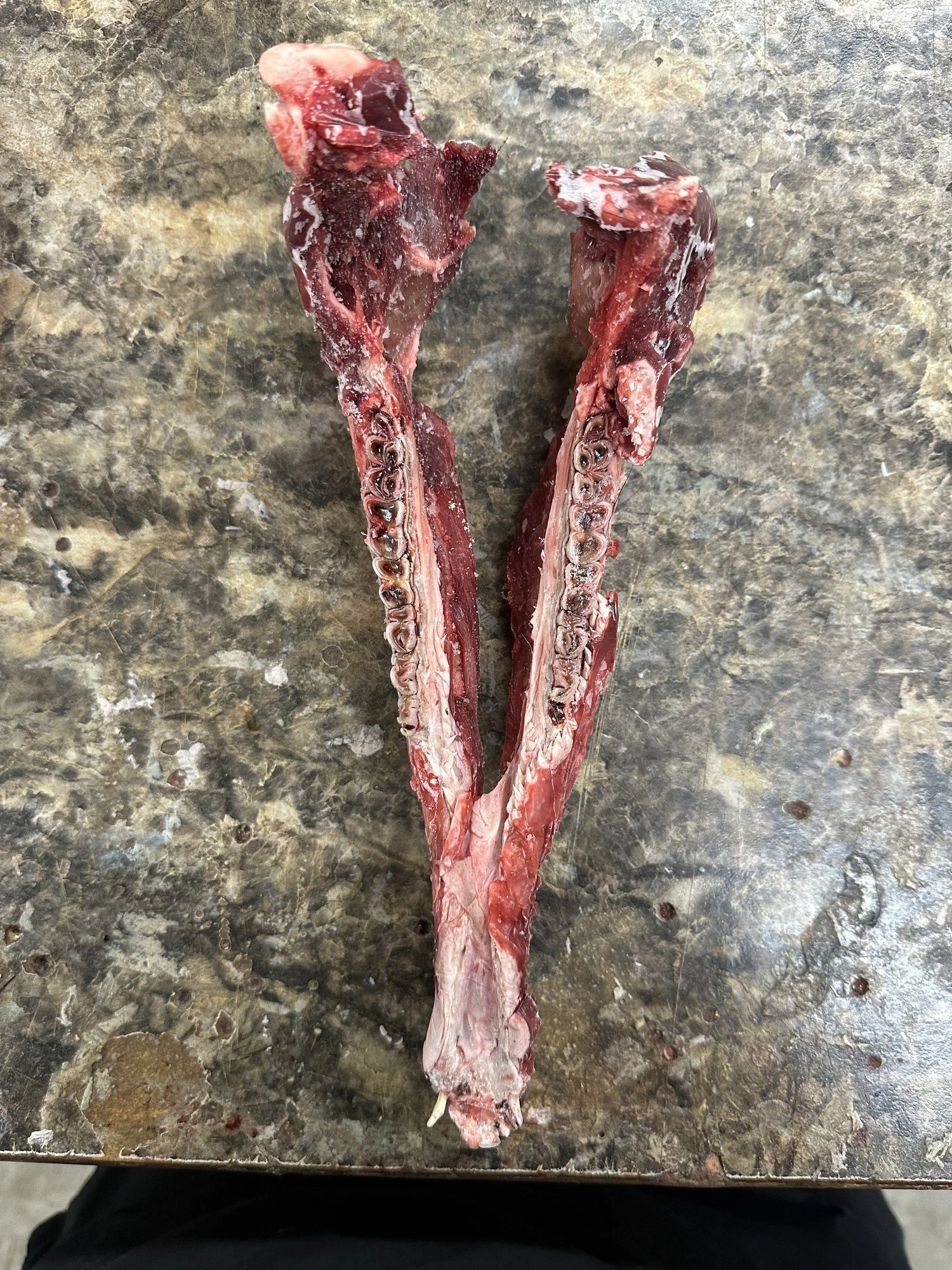
Tank's teeth: 6.5 or older. Write your guess down first, then let the teeth grade it.
Tank, the eight-pointer we took last season, is the best lesson we have on this. In WRX365 he grossed 131 3/8 and netted 128 5/8 (estimates, not official scores). We had multiple years of history with this deer and knew him to be a very mature deer. He was a true bully on our ground and would constantly beat up every other deer with superior antler genetics, forcing them out of the hunting areas. But he was elusive and smart. Without the trail camera history, his antlers may have led us to believe he was a younger deer. But on the hoof he had short-looking legs, a belly that hung and a neck that ran straight into his shoulders, and his teeth backed it up: 6.5 or older. If we'd judged him by his antlers, we'd have let the oldest buck on the place walk.
Your turn
What's the hardest age class for you to call on the hoof: 3.5 or 4.5?
Ever passed a buck you later found out was mature? Tell us the county and what fooled you.
Gear in this story: our Rut RX kit
This is what we run on our own ground from now through gun season.
Tactacam Reveal Pro 4.0 ($159.99). Where the aging homework happens. Daylight video and clear photos of the same buck, sent to your phone, so you make the call from the couch.
Tactacam Reveal FlexPack R5 ($59.99). Rechargeable power for Reveal 4.0 cameras. Cameras run hard in the rut, and every battery trip is a walk-in you didn't need.
Tactacam Reveal Wind Sensor ($59.99). Live wind speed and direction at your camera, so you know before you go whether the stand works.
Novix Helo hang-on ($369.99). Light and quiet, so you can move in tight on the trail an old buck uses instead of the one where the old stand sits.
WRX365 Pro and Pro+ members get 5 percent off everything in the RX Store.
Before you go
When you tag one, score & age your deer free in WRX365 at whitetailrxtools.com and log him in your Harvest Registry. He goes into your season summary on January 20. (Scores and ages are estimates, not official Boone & Crockett or Cy Curtis scores.) And join the free Hunt Club for next week's story as the rut gets going.
Sources
ODWC Deer Big Game Season (2026-27 season dates; six-deer combined limit, no more than two antlered)
ODWC Big Game Regulations (hunter orange, check-in within 24 hours)
ODWC Rut Report 2025 ("mid-November is peak breeding time" in the central region)